Back to Home

METHODOLOGY

How We Analyze Your Destiny

Not fortune-telling — systematic analysis grounded in classical texts. Our AI has mastered seven foundational BaZi texts and applies a rigorous four-layer cross-validation method to analyze your chart.

How We Analyze Your Destiny

Analysis Process

1

Chart Construction

Calculate the Four Pillars (year, month, day, hour) from your birth time, supporting both solar and lunar calendars. True solar time correction ensures accuracy.

2

Determine Useful Gods

Apply four methods in parallel — Pattern-based (Zi Ping Zhen Quan), Supportive (Di Tian Sui), Seasonal (Qiong Tong Bao Jian), Illness-Remedy (Shen Feng Tong Kao) — and cross-validate to reach a final determination.

3

Destiny Analysis

Based on favorable and unfavorable elements, analyze personality, career, wealth, relationships, and health. Every conclusion cites its classical source.

4

Fate Periods

Map out ten-year major fate periods and annual influences, providing future trend assessments and actionable guidance.

Four-Layer Cross-Validation System

This is the core of Daolyn's methodology. Traditional practitioners typically use one or two methods. Our AI applies all four simultaneously, ensuring every conclusion is thoroughly verified.

Four-Layer Cross-Validation System
1

Pattern-Based

Zi Ping Zhen Quan

Determines the chart's fundamental pattern and grade by analyzing the month branch's relationship with heavenly stems.

2

Supportive

Di Tian Sui

Centers on the day master's strength, selecting elements that support or restrain to achieve balance.

3

Seasonal

Qiong Tong Bao Jian

Adjusts for the birth season's climate — cold charts need warmth, hot charts need cooling.

4

Illness-Remedy

Shen Feng Tong Kao

Identifies the chart's 'illness' (unfavorable factor) and 'remedy' (resolving factor). A chart with both illness and remedy is considered noble.

Theoretical Foundation: The Seven Classical Texts

Our analysis is grounded in these seven foundational works of Chinese metaphysics. Each represents a milestone in BaZi theory. Our AI has studied the original texts to provide the most rigorous analysis possible.

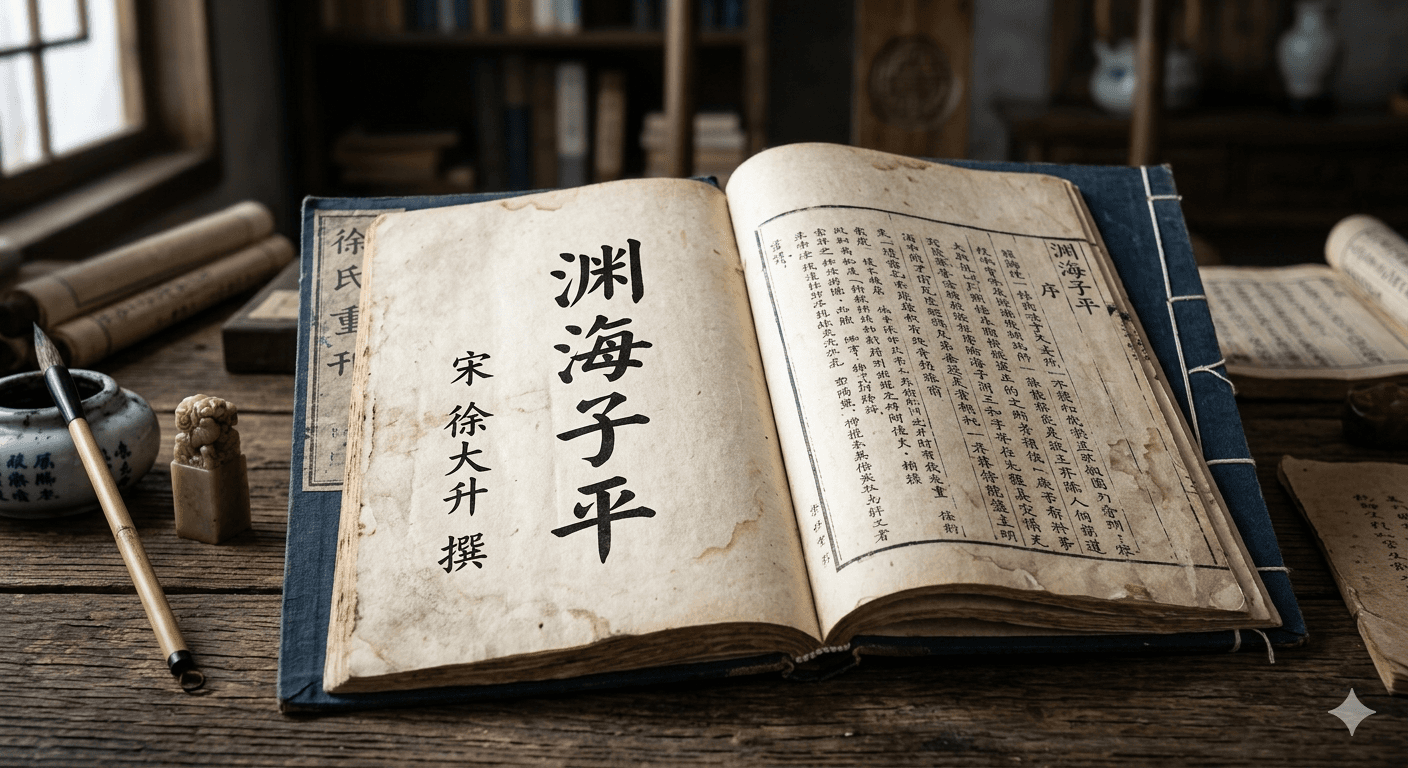
Yuan Hai Zi Ping
SongEstablished day-master system

Yuan Hai Zi Ping

Xu Dasheng (Song Dynasty)

The foundational text of BaZi analysis. Established the system of centering analysis on the day master and using the month branch as the primary framework. First to systematically explain ten gods, patterns, and useful gods.


San Ming Tong Hui
MingComprehensive compendium

San Ming Tong Hui

Wan Minying (Ming Dynasty)

The most comprehensive compendium of BaZi theory. Spanning twelve volumes, it systematically compiles theories and case studies from the Song, Yuan, and Ming dynasties. An encyclopedic reference covering multiple analytical methods.

Di Tian Sui
MingPhilosophical masterwork

Di Tian Sui

Liu Ji (attr., Ming Dynasty)

The philosophical masterwork of BaZi theory. Its concise verses reveal the core principles of destiny analysis. Ren Tieqiao's Qing Dynasty commentary elevated it further, emphasizing the dialectical relationship between day master strength and five-element interactions.

Zi Ping Zhen Quan
QingSystematic pattern analysis

Zi Ping Zhen Quan

Shen Xiaozhan (Qing Dynasty)

Systematized the pattern-based approach to destiny analysis. Organized complex theories into a clear pattern framework centered on the month branch, with rigorous logic and methodology.

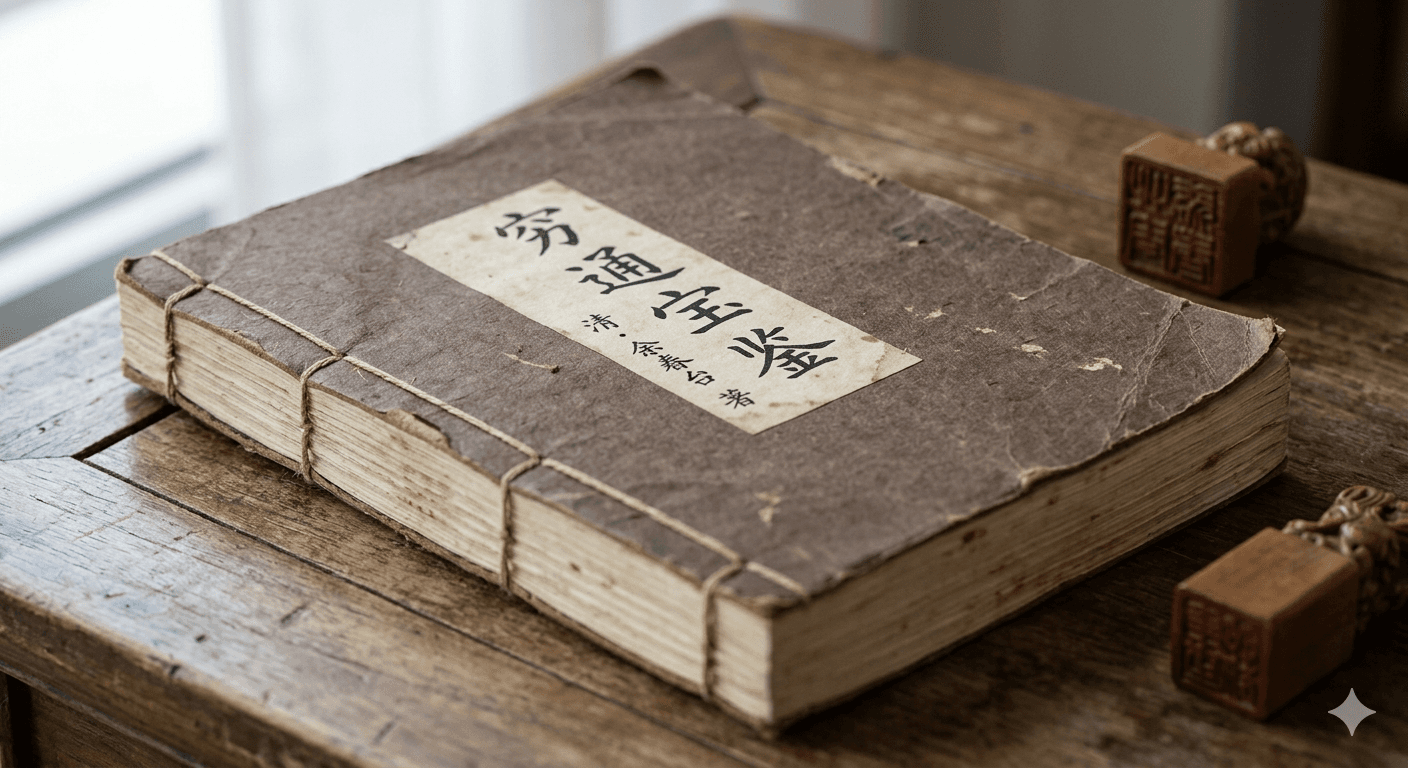
Qiong Tong Bao Jian
QingSeasonal adjustment theory

Qiong Tong Bao Jian

Yu Chuntai (ed., Qing Dynasty)

The definitive work on seasonal adjustment. Analyzes the ten heavenly stems across all twelve months, emphasizing how birth season affects destiny — cold charts need warmth, hot charts need cooling.

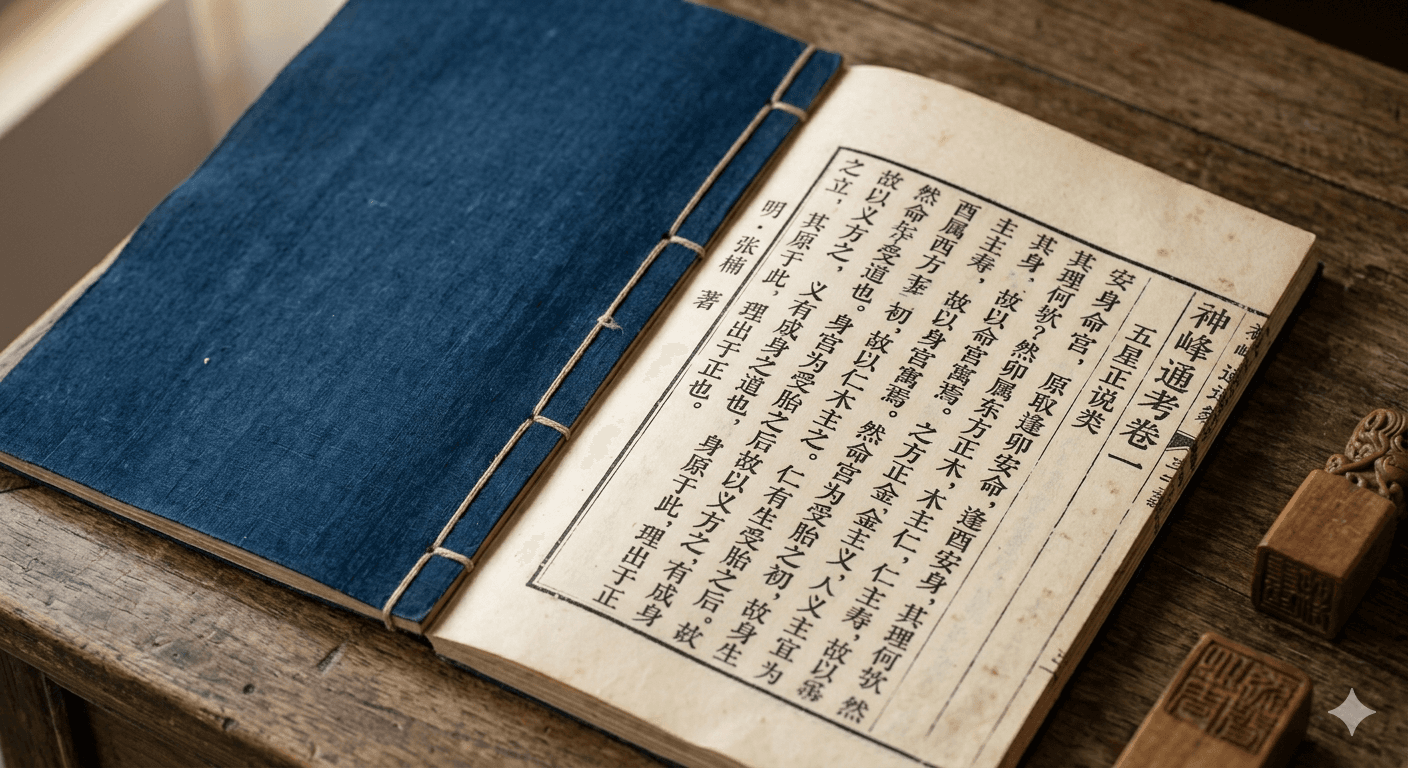
Shen Feng Tong Kao
MingIllness-remedy theory pioneer

Shen Feng Tong Kao

Zhang Nan (Ming Dynasty)

Pioneered the illness-remedy theory: a chart with an 'illness' (unfavorable element) is potentially noble, but only if a 'remedy' (resolving element) is present. This innovative approach broke from rigid pattern classification.

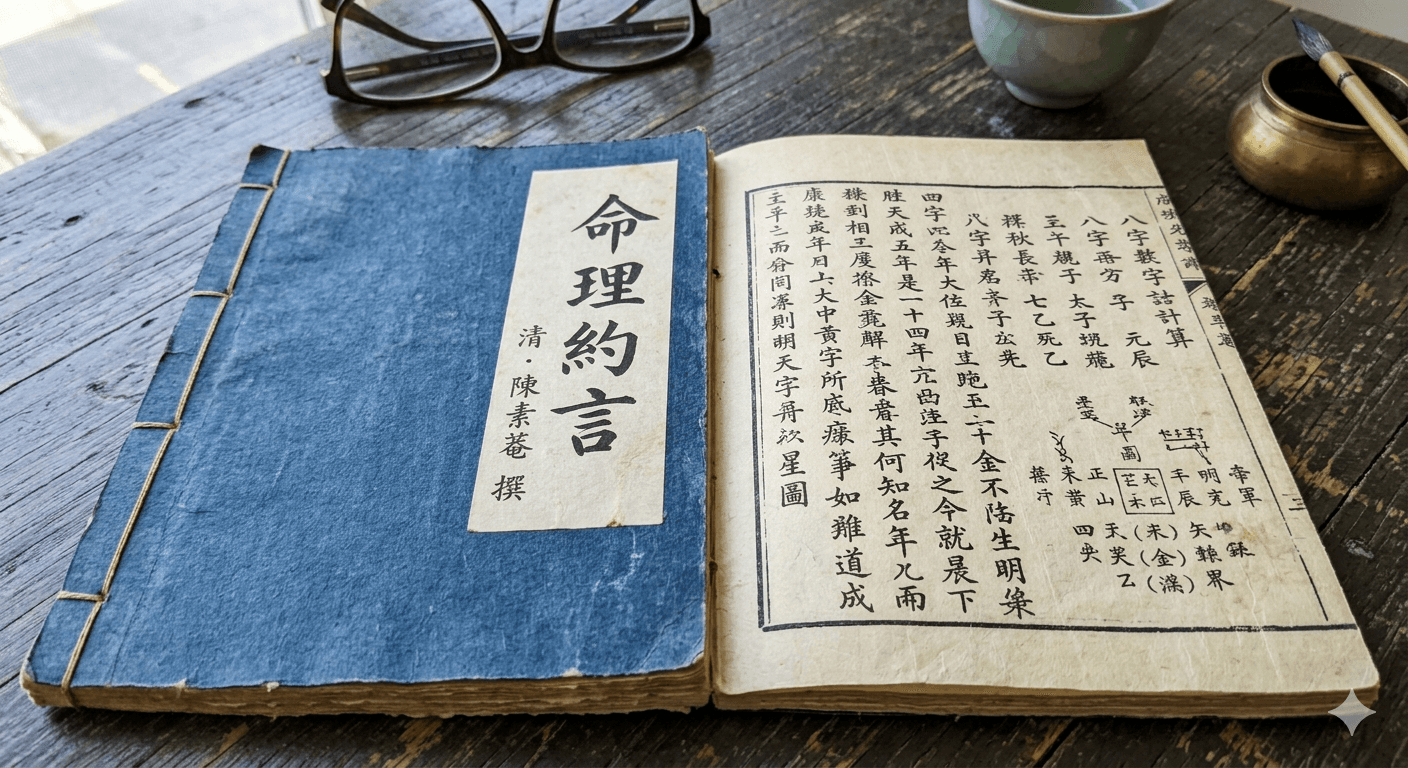
Ming Li Yue Yan
QingStandardized reference

Ming Li Yue Yan

Chen Su'an (Qing Dynasty)

A concise, standardized reference text that distills complex BaZi theory into clear, accessible prose. An important work for both beginners and experienced practitioners.